
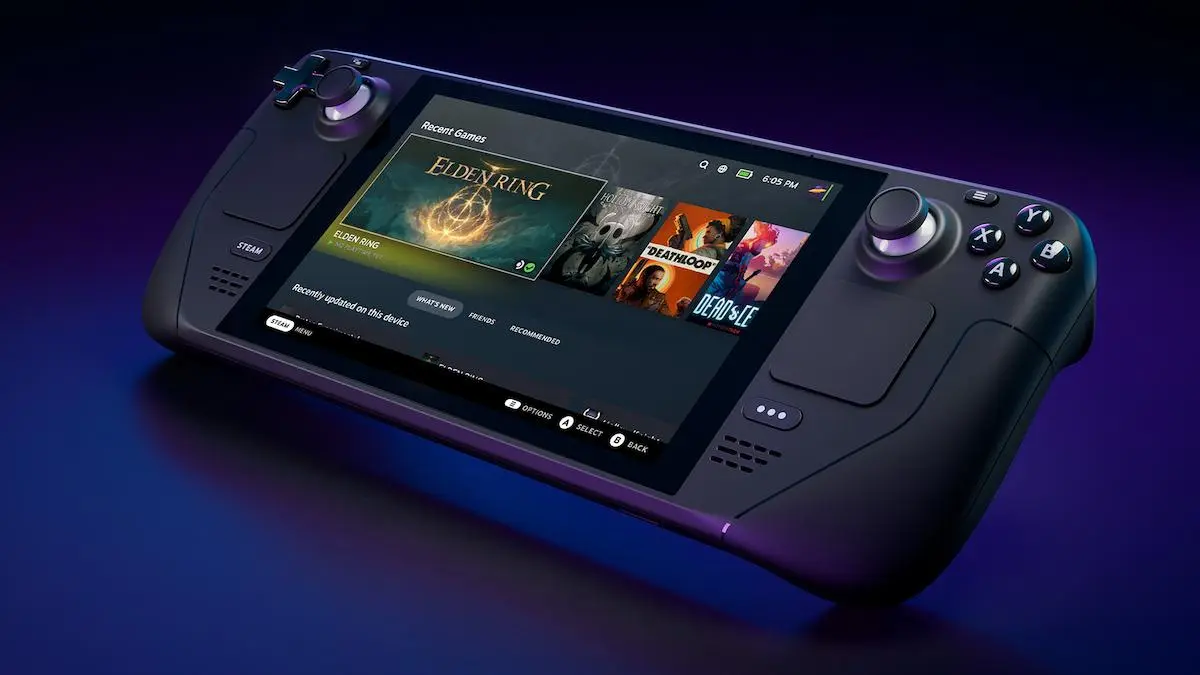
As we plunge into the ever-evolving landscape of handheld gaming in 2025, the Steam Deck still stands as a formidable contender, a handheld titan that redefined our gaming experiences just a few short years ago. But in a world were technology shifts like sand, one pressing question looms large: Is the Steam Deck still worth your investment? As we dissect the gaming ecosystem and scrutinize the latest advancements in portable gaming, we’ll navigate through the Deck’s formidable capabilities, its growing competition, and the shifting expectations of modern gamers. Join us on this critical journey as we weigh the pros and cons,exploring whether Valve’s ambitious creation remains a treasure trove of gaming potential or a relic of a digital age swiftly passing by. The answer may surprise you.
Exploring the Gaming Landscape: How the steam Deck Holds Up in 2025
The Steam deck has evolved significantly since its launch, and its adaptability is one of the key reasons it remains a solid choice for gamers in 2025. With a significant library of titles available through Steam and compatibility with countless games from other platforms, it continues to appeal to a diverse audience. The addition of robust community support has facilitated numerous enhancements through mods and user-generated content, further extending its capabilities. As a handheld console, its ergonomic design provides a comfortable grip, making long gaming sessions feasible without discomfort—a feature that many competitor devices still struggle to perfect.
Moreover, Valve’s commitment to constant updates ensures that the Steam Deck is not just a one-and-done product; rather, it’s a living console that adapts to the ever-evolving landscape of gaming technology. in 2025, new features, including improved hardware performance and the integration of cloud gaming services, have solidified its position in the gaming market. While comparing it to other consoles, consider the following aspects:
| Feature | Steam Deck | Competitor A | Competitor B |
|---|---|---|---|
| Portability | ✅ | ✅ | ❌ |
| Game Library | Extensive | Moderate | Extensive |
| Ergonomics | excellent | Good | Fair |
| Customization | High | medium | Low |
It is worth considering these aspects when weighing the Steam Deck against its competitors. As gamers look for versatility, performance, and value, it remains clear that the Steam Deck, bolstered by a thriving ecosystem and community-driven improvements, stands tall in an increasingly crowded market.
Performance and Portability: The Steam Deck’s Enduring Appeal
The Steam Deck continues to resonate with gamers,balancing extraordinary performance with unmatched portability. As of 2025, the device has matured into a versatile handheld console that can effortlessly transition between gaming sessions at home and on the go. Thanks to its powerful custom AMD APU, the Steam Deck delivers solid frame rates across a range of titles, making it capable of running everything from indie gems to AAA blockbusters without compromising quality. Its open-source platform allows users to customize their experience,ensuring that it remains relevant even as gaming technology evolves. This adaptability is further enhanced with frequent software updates that optimize performance and expand compatibility, making the Steam Deck a long-term investment for gamers who prioritize flexibility.
Furthermore, the device’s design is tailored for comfort and convenience, which solidifies its role as a portable powerhouse. With a convenient control layout,a vibrant display,and an ergonomic build,it’s easy to see why gamers are attracted to its functionality. The addition of expandable storage options means you can carry a library of games, making it a truly standalone device. When weighing its performance against the competition, the Steam Deck stands as a robust alternative, notably for those who crave versatility. Below, a speedy overview highlights its standout features:
| Feature | Steam Deck |
|---|---|
| CPU/GPU | AMD Custom APU |
| Screen | 7-inch LCD, 1280×800 |
| Storage Options | 64GB eMMC, 256GB NVMe SSD, 512GB NVMe SSD |
| Battery Life | 2-8 hours depending on usage |
Game Library Evolution: Is the Catalog Enough to Keep Players engaged?
The gaming landscape is more diverse than ever, with platforms battling for supremacy armed with sprawling libraries of titles. The Steam Deck positions itself favorably within this competitive arena, boasting an extensive catalog that rivals traditional consoles and desktops.Yet, the richness of a game’s library alone does not determine its capability to captivate players. A seamless experience—how well games operate on hardware, the optimization of controls, and the overall user interface—equally dictates player satisfaction. This is where careful scrutiny of compatibility and functionality comes into play. A device may promise access to thousands of games, but if players encounter performance hiccups or challenging controls, their enthusiasm will swiftly wane.
Moreover, engagement with a gaming library heavily relies on continuous updates and community support. Players crave not just an abundance of choices but also the kind of titles that resonate with their interests and preferences. As trends in gaming shift rapidly, keeping a catalog fresh and relevant becomes paramount. Features like exclusive releases, regular patches, and community events can significantly enhance a player’s commitment to a platform. Meanwhile,developers’ dedication to fostering a captivating ecosystem can either thrill or disappoint the players long past the initial release phase. By critically examining the evolving game library of the Steam Deck, players can better assess whether its offerings will keep them engaged in an ever-changing gaming world.
Future-Proofing Your Gaming Experience: Should You Invest in a Steam Deck Now?
As we gaze into the future of gaming, the Steam Deck stands as a versatile option for those seeking portability without sacrificing performance. Investing in a handheld device like the Steam Deck can prove wise due to several compelling factors. Frist, its capability to run a vast library of PC games means you’re not just limited to titles designed specifically for consoles. Second, regular updates from Valve ensure that the Steam Deck remains compatible with new releases, adapting to advancements in gaming technology. In this ever-evolving landscape, being able to play AAA games on the go is a significant advantage. Moreover,the device’s open architecture allows you to customize the operating system,making it not just a gaming device,but a portable PC as well.
Though, it’s essential to weigh the investment against potential advancements in gaming technology that loom on the horizon. Consider the following points before making your decision:
- Upcoming Hardware Releases: Keep an eye on new models or competitors that may hit the market.
- Game Compatibility: Will future games still optimize for handheld devices, or focus on next-gen consoles?
- Price Adjustments: Is the initial cost aligned with its longevity and versatility?
While the Steam Deck holds its ground today, ensuring it remains a relevant tool for your gaming needs in the future necessitates careful consideration of these factors. You’ll want to balance current satisfaction with potential later frustrations as technology continues to advance at a rapid pace.
To Wrap It Up
as we step into 2025, the gaming landscape continues to evolve at a remarkable pace. The Steam Deck, once a beacon of possibility for portable PC gaming, now finds itself navigating a market brimming with innovation and competition. So, is it still worth your investment? The answer isn’t as simple as a yes or no; it hinges on your gaming habits, aspirations, and how you define value in your gaming experiences.
For dedicated Steam users and those who appreciate the flexibility of a handheld device, the Steam Deck remains a formidable choice. Its extensive library access, modding capabilities, and the recent firmware updates that enhance performance and user experience speak volumes about Valve’s commitment to its ecosystem. Yet, if you’re an enthusiast chasing cutting-edge performance or if cloud gaming gains a firmer foothold in your routine, you might find yourself drawn to newer alternatives that promise higher fidelity and seamless integration.
Ultimately, the decision boils down to what kind of gamer you are. The Steam Deck remains a robust contender for those who favor versatility and commitment to a well-established platform.But for others, the promise of new technology may be too tantalizing to resist. As the curtain falls on this exploration, remember: the worth of the Steam Deck in 2025 isn’t just about specs or sales figures—it’s about finding the gaming experience that resonates with you. Whatever path you choose, may your gaming adventures be unforgettable.



Leave a Reply