
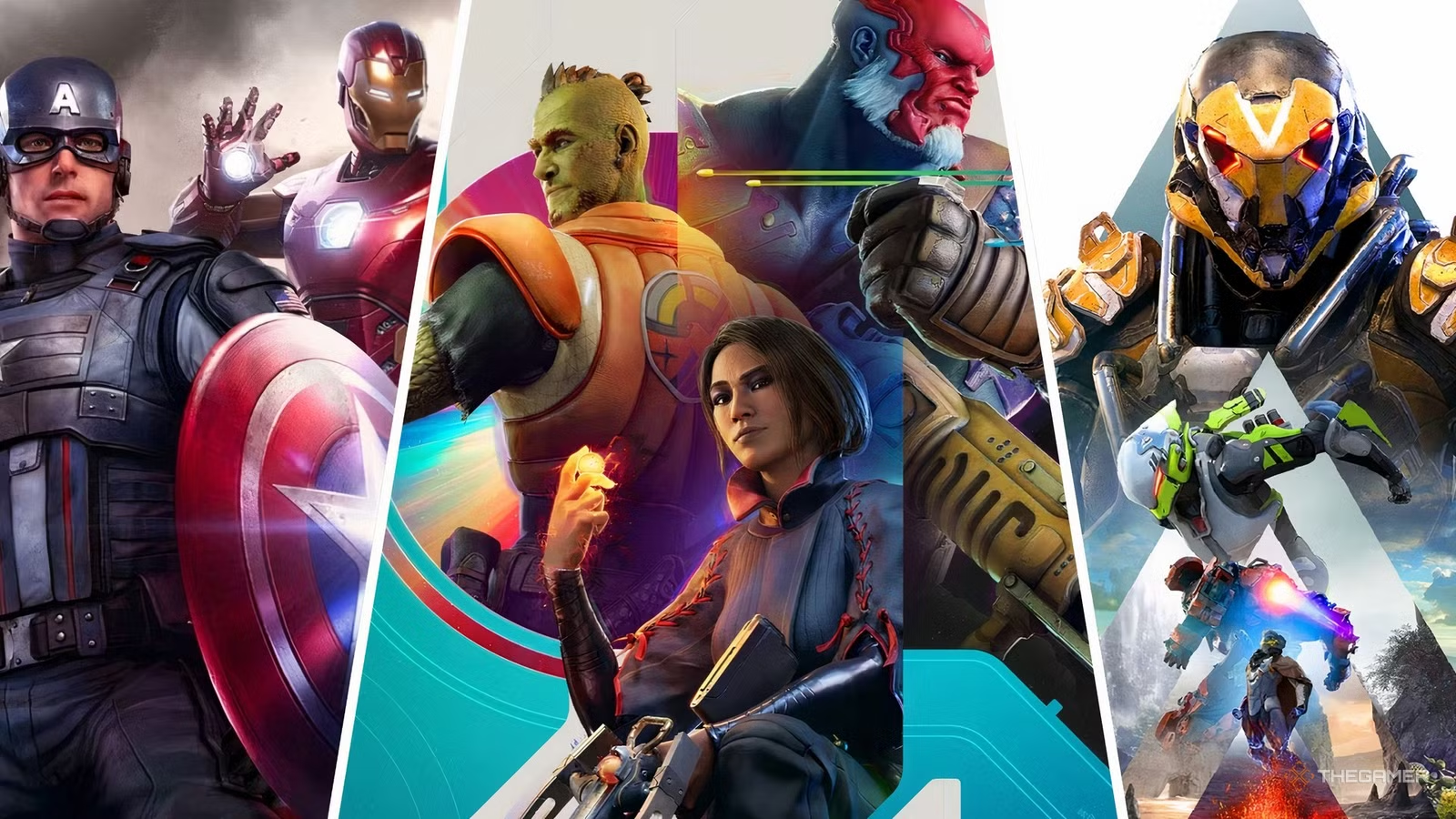
In the ever-evolving landscape of the gaming industry, one phenomenon has risen to dominate the attention of players and developers alike: live-service games. These titles promise an endless stream of content, evolving narratives, and robust communities, all while keeping players tethered to a virtual world that feels alive and ever-changing. But beneath the glossy surface of constant updates and engaging events lies a murky underbelly fraught with problems that challenge the very essence of what it means to play for enjoyment. In this exploration, we will dissect the overarching issues plaguing the live-service model—ranging from monetization practices that exploit player loyalty to content cycles that prioritize profit over quality. By illuminating these critical aspects, we aim to spark a conversation about the future of gaming and the need for a return to player-centric design. join us as we confront the illusion of endless engagement and question whether the rewards of the live-service structure are worth the price gamers ultimately pay.
The Illusion of Longevity: Understanding the Design Flaws of Live-Service Games
Live-service games, often marketed as ongoing experiences that evolve with player engagement, are riddled with essential design flaws that challenge their longevity. players invest time and money with the expectation of constant updates and fresh content, yet many games become stagnant. The reliance on this model can create a sense of urgency, leaving developers scrambling to produce speedy fixes rather than well-thought-out expansions. Common issues that arise include:
- Repetitive Content: Frequent updates often lead to recycled storylines and gameplay mechanics.
- Server Stability: As player counts fluctuate,maintaining a seamless experience can be daunting,resulting in lag or outages.
- Balance Problems: Developers may overcorrect gameplay issues, leading to a cycle of patches that disrupt player enjoyment.
These design pitfalls not only frustrate players but also hinder community growth, as dissatisfaction can turn loyal fans into critics. The illusion of a never-ending journey frequently enough backfires when it fails to deliver meaningful content. A comparison of several prominent live-service games reveals stark contrasts between initial hype and long-term sustainability:
| Game Title | Launch Year | Player Retention | current Status |
|---|---|---|---|
| Game A | 2018 | 40% | Stagnant, few updates |
| Game B | 2019 | 65% | Thriving, regular content |
| Game C | 2020 | 30% | Declining, community backlash |
These dynamics showcase the precarious balance that developers must maintain to keep their audience engaged. As players become increasingly discerning,the initial allure of live-service models may prove insufficient to sustain interest in the long run.
Monetization vs. Player Experience: The Ethical Dilemma in Live-Service Models
In the realm of live-service games, the pursuit of profitability often clashes with the immersive experience players expect. Developers are compelled to generate continuous revenue streams, leading to the introduction of microtransactions, seasonal passes, and other monetization strategies. This commercial necessity can result in a gaming environment that prioritizes pay-to-win mechanics or fomo-driven strategies,which can erode trust and enjoyment for the player base. The need for profit, when mishandled, turns the gaming landscape into a competitive arena where those who can spend more are disproportionately rewarded, undermining the sense of achievement that true gaming is built upon.
Moreover, the ethical implications of these monetization strategies extend beyond mere gameplay mechanics; they touch upon players’ mental well-being.Many title designs now include features such as:
- Limited-time offers that create urgency and anxiety
- Grind-heavy progression systems that push players to purchase shortcuts
- Invasive advertisements that disrupt immersion
By prioritizing short-term profits, game developers risk alienating loyal fans and losing their long-term viability. When players feel manipulated rather than celebrated for their achievements, the relationship between developer and community diminishes. For the future of gaming, striking a balance between monetization and player experience is not just beneficial—it’s essential for fostering a dedicated and thriving player community.
Erosion of Community Trust: How Neglect and Communication Failures Impact Player Loyalty
The foundation of player loyalty in live-service games is built upon the trust established between developers and their community. When frequent communication falls by the wayside and updates become sporadic, that trust begins to erode. Players who initially flocked to a game with enthusiasm can quickly feel sidelined if they perceive neglect.Clear dialog regarding game developments, concerns, and future plans is essential, as it fosters a sense of inclusivity and respect. Without this dialogue, players might abandon their favorite titles, feeling as if their voices are unheard and their experiences minimized.
Moreover, failing to address player feedback can lead to widespread dissatisfaction within the community. Many players in a live-service environment expect immediate and iterative improvements based on their input. A lack of responsiveness can create a rift between developers and their audience, leading to a negative cycle of declining player engagement. Here are some key consequences of this disconnect:
- Disillusionment over broken promises regarding content updates.
- Increased frustration felt by the community over unresolved issues.
- Waning participation in events and online forums.
Restoring this fractured relationship requires developers to not only listen but to act on the sentiments expressed by their players. A robust strategy that prioritizes clear communication and regular updates can help mend the broken bond and re-engage a disheartened community.
Charting a New path: Recommendations for Building Sustainable and Engaging Live-Service Experiences
To foster truly sustainable and engaging live-service experiences, developers must prioritize player agency. Empowering players to shape the game world not only enhances their immersion but also deepens their emotional investment.Here are a few avenues to consider:
- Dynamic Storylines: Implement branching narratives that adapt based on player choices.
- Community-Driven Events: Organize events that allow players to collaborate on outcomes, impacting the ongoing storyline.
- Customizable Gameplay: Encourage modding or player-created content to keep the experience fresh and engaging.
Moreover, the monetization strategies of live-service games need a complete reevaluation to avoid alienating players. instead of aggressive microtransactions, a model focusing on value and clarity can foster loyalty. Some methods to explore include:
| Monetization Approach | Description |
|---|---|
| Season Passes | Offer players significant content at a reasonable flat rate. |
| cosmetic upgrades | Prioritize aesthetic modifications that do not affect gameplay balance. |
| Subscription Models | Provide ongoing, exclusive content as part of a monthly membership. |
To Wrap It Up
In an era where gaming has morphed into a dynamic landscape of interconnected experiences, live-service games have emerged as a double-edged sword.On the surface, they promise endless adventures, evolving content, and the thrill of community engagement. Yet, beneath that glimmering exterior lies a complex web of challenges—monetization strategies that frequently enough prioritize profit over player experience, the relentless grind of content creation that can overshadow meaningful storytelling, and a growing sense of fatigue among gamers inundated with perpetual updates.
As we dissect the promises and pitfalls of this burgeoning model, it becomes evident that live-service games may require a more discerning approach, both from developers and players alike. It is not just about the allure of continued content; it’s about maintaining the integrity of the gaming experience itself. In a world where attention is fleeting, striking a balance between engagement and enjoyment is crucial.
Ultimately, the future of live-service gaming rests not just in it’s ability to adapt, but in its willingness to listen. Gamers crave an experience that respects their time, investment, and love for the craft. As we move forward, it is indeed essential to challenge the status quo and demand a shift towards a more player-centric ideology. Only then can the true potential of live-service games be realized—transforming them from potential pitfalls into pillars of creativity, community, and a shared journey that resonates long after the screen goes dark.


Leave a Reply