

Unlocking inventiveness: A Beginner’s Guide to Creating Games in Roblox
Welcome to the vibrant world of Roblox, where creativity knows no bounds and every player is a potential game developer! Whether you’re a budding designer looking to bring your unique visions to life or simply curious about the mechanics behind one of the most popular gaming platforms today, this guide is tailored just for you. In the following sections, we will embark on a journey through the fundamentals of game creation within Roblox, from understanding its intuitive interface to diving into the fundamentals of scripting and design. with step-by-step instructions,helpful tips,and inspiration for your frist project,we aim to equip you with the tools and confidence to transform your ideas into interactive experiences. So, grab your thinking cap and let’s get started on crafting your very own game in the ever-expanding universe of Roblox!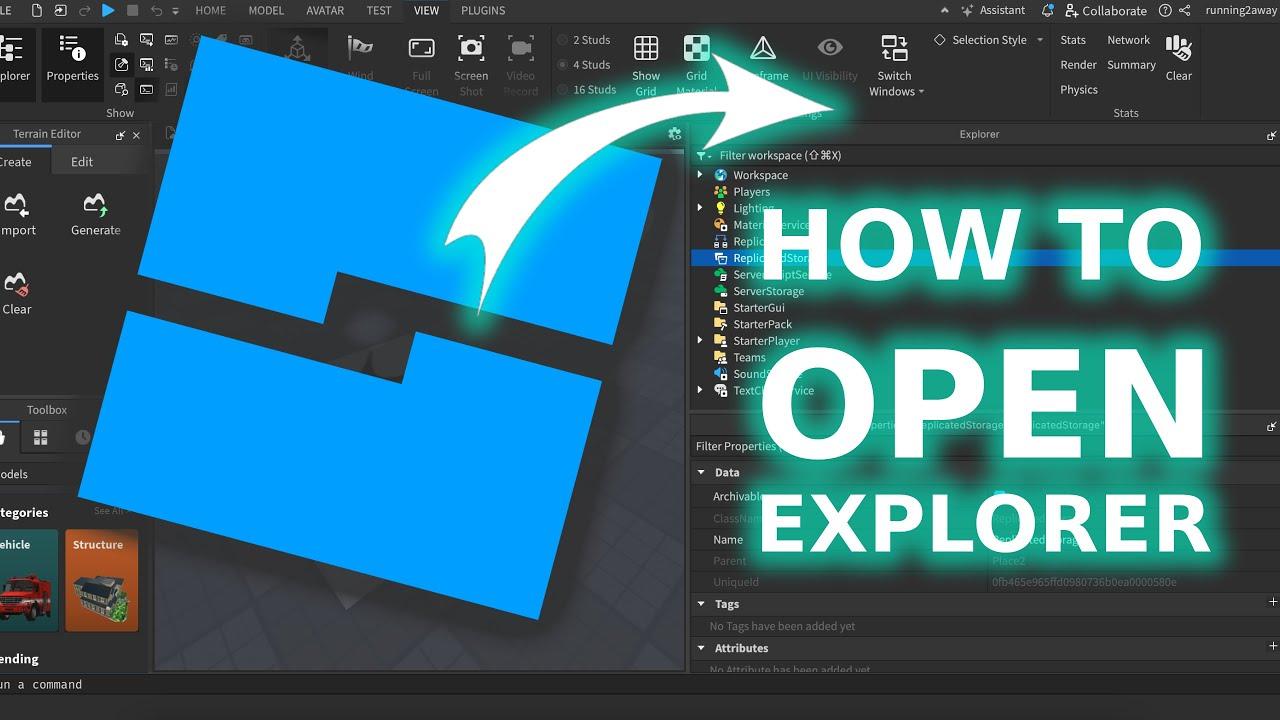
Unlocking the Basics of Roblox Studio Interface
Understanding the interface of Roblox Studio is crucial for budding game developers. Upon launching the program, you’ll be greeted by a myriad of tools and options designed to optimize your creative experience. The Explorer panel is your navigation hub, showcasing all the elements within your game. Simultaneously occurring, the Properties panel offers detailed settings for each object you select, giving you the power to customize behaviors and aesthetics to fit your vision.As you get cozy, take note of the Toolbox, where you can find free models, scripts, and assets created by the community, enhancing your game development journey.
As you dive deeper,familiarizing yourself with key components will help streamline your workflow. The View tab allows you to toggle different panels, ensuring you have everything you need at your fingertips. Check out the Home tab for essential tools like moving and resizing objects, which are fundamental in shaping your game world. A vital feature, the Play button, lets you test everything in real-time, ensuring that gameplay mechanics perform as intended. Here’s a swift overview of the key panels within Roblox Studio:
| Panel | Description |
|---|---|
| Explorer | Displays all the components of your game, allowing easy access and institution. |
| Properties | Shows detailed settings for selected objects to control thier functionality. |
| Toolbox | A repository of community assets that you can integrate into your games. |
| Output | displays error messages and feedback from your scripts, essential for debugging. |

Mastering Essential scripting Techniques for Your Game
To create engaging and dynamic gameplay in Roblox, mastering scripting techniques is crucial. Scripting in Roblox is primarily done using Lua, a lightweight programming language that is both powerful and beginner-kind. Here are some essential techniques to get you started:
- Variables: Store data for later use, allowing you to create customizable gameplay mechanics.
- Functions: Define reusable blocks of code that can execute specific tasks, making your scripts more organized.
- Events: Trigger actions in response to player interactions, elevating the interactivity of your game.
- Loops: Perform actions multiple times, which is especially useful for animations or repeated checks.
Creating a robust game also involves understanding the different types of objects and their properties within Roblox. Familiarize yourself with key object properties such as Position, Size, and Colour to manipulate game elements effectively. Consider this simple reference table for common object properties and their uses:
| Property | Description |
|---|---|
| Position | Defines where an object is located in the game world. |
| Size | determines the dimensions of an object. |
| Color | Sets the visual appearance of an object. |
| Transparency | Controls how see-through an object is. |
By harnessing these fundamental concepts and incorporating them into your gameplay, you can elevate your Roblox creations to new heights, making them not only functional but also enjoyable for players. Experimentation will lead you to discover numerous possibilities—transform your ideas into reality with Lua scripting!
Designing Engaging Gameplay Mechanics That Captivate Players
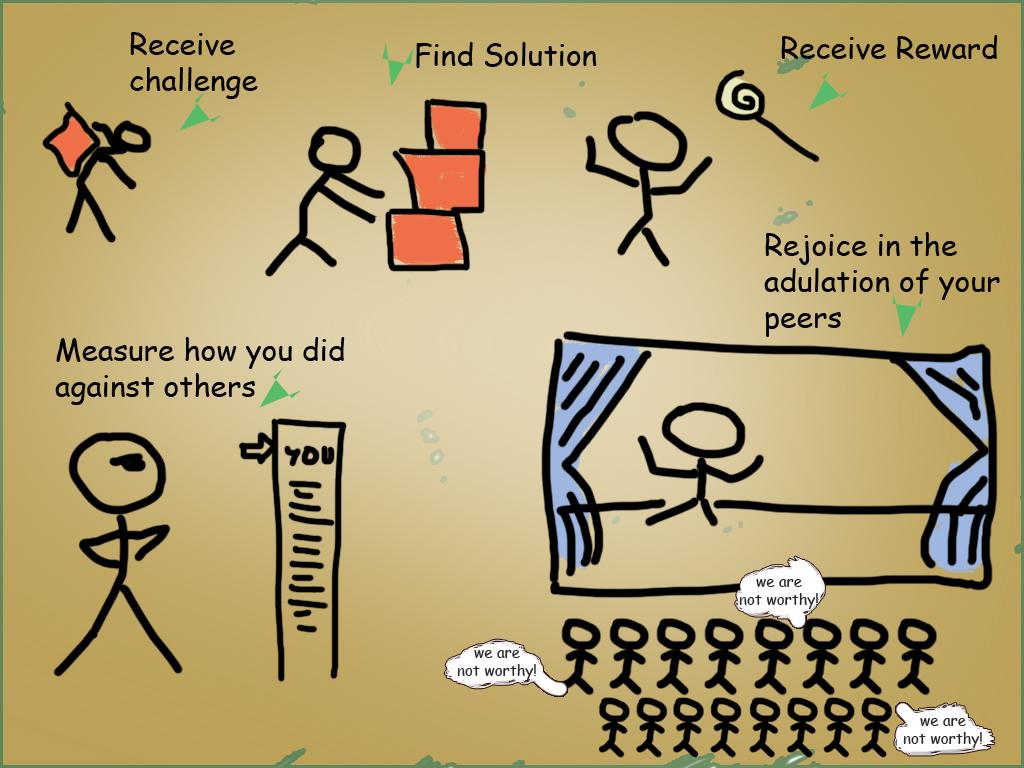
To create immersive gameplay in your Roblox game, focus on mechanics that engage players and encourage them to explore the environment. Start by integrating simple yet compelling objectives that invite users to complete tasks, such as collecting items, solving puzzles, or achieving high scores. This not only provides direction but also fuels motivation. Utilize dynamic feedback systems that respond to player actions; as an example, incorporate visual or audio cues when players make progress. These elements can help enhance the feeling of accomplishment, making the gameplay more satisfying.
Another essential aspect to consider is the incorporation of multiplayer dynamics. Players thrive on interaction, so implementing features such as cooperative challenges or competitive elements can significantly boost engagement. Consider using power-ups,rewards,or unique character abilities that players can share and strategize around. Encouraging social interaction through leaderboards and achievements can foster a sense of community. Here’s a simple table to illustrate possible gameplay mechanics and their effects:
| gameplay Mechanic | Player Engagement Effect |
|---|---|
| Collectible Items | Encourages exploration |
| Puzzles | Promotes critical thinking |
| Cooperative Missions | Enhances teamwork |
| Competitive Scores | Boosts rivalry and replayability |

Polishing Your Creation: Best Practices for Testing and Publishing
As you venture into the final stages of your game development, rigorous testing is essential to ensure that your creation runs smoothly and engages players. Begin by inviting a small group of friends and fellow Roblox enthusiasts to playtest your game.Their fresh perspectives can definitely help you identify glitches or frustrating gameplay elements that you might have overlooked. To streamline the feedback process,consider implementing the following strategies:
- Define testing goals: Specify what aspects of your game you want players to focus on,such as gameplay mechanics,user interface,or overall enjoyment.
- Create a feedback form: Use a simple survey or form tool to collect structured responses, making analysis easier.
- Iterate based on feedback: Act on the insights gathered,making adjustments and improvements before opening your game to a wider audience.
Once you feel confident in your polished creation, it’s time to publish! This step is not just about hitting the “publish” button; it’s a chance to present your game to the world. Take the time to craft an appealing game description that highlights its unique features and offers players a glimpse of what to expect. Additionally, consider the following key elements:
- eye-catching thumbnails: Design an attractive thumbnail that encapsulates the essence of your game, as first impressions matter.
- Relevant tags: Use appropriate tags to categorize your game, making it easier for players to find it based on their interests.
- Engagement with the community: once published, actively engage with the player community through forums and social media, addressing questions and encouraging feedback to foster a loyal player base.
Future Outlook
As we conclude our journey through the vast landscape of Roblox game creation, we hope this guide has equipped you with the fundamental tools and insights to bring your imaginative visions to life. Remember, the world of game development is as dynamic as it is indeed rewarding, and every grate game starts with a single idea. Embrace your creativity, experiment boldly, and don’t hesitate to seek inspiration from the vibrant Roblox community around you.
With practice and perseverance, you’ll soon find yourself not just playing games, but crafting unforgettable experiences for players worldwide. So dive in, keep learning, and let your unique voice echo through the pixelated realms of Roblox. Happy developing!



Leave a Reply