

Exploring the Future: The Mobile Gaming Market Growth in 2025
As we step further into the digital age, the boundaries of entertainment continue to expand, with mobile gaming emerging as one of the most vibrant and dynamic sectors within the industry. In 2025, the landscape promises to be even more transformative, driven by technological advancements, shifting consumer preferences, and unprecedented access to gaming platforms. With an increasing number of players engaging from diverse demographics and backgrounds, this article delves into the factors propelling the mobile gaming market forward, examining trends, innovations, and the anticipated challenges that lie ahead. Join us as we navigate through the pixels and possibilities of a gaming world that is not just played,but experienced.
Trends Shaping the Future of Mobile Gaming in 2025
The mobile gaming landscape is poised for transformative developments that promise to reshape user experiences and enhance engagement. One significant trend is the rise of cloud gaming, allowing players to enjoy high-quality games without needing powerful hardware. This shift is expected to democratize access, as gamers can dive into complex worlds seamlessly from various devices. As internet speeds improve and latency decreases, we anticipate a surge in players enjoying immersive graphics and expansive gameplay, shifting the perception of mobile games from casual to high-end gaming experiences.
Another avenue of growth is the integration of augmented reality (AR) and virtual reality (VR) technologies into mobile gaming. As smartphone capabilities evolve, AR and VR functionalities are becoming more accessible. This will not only enhance the realism and depth of games but also foster social interactions, allowing players to connect within immersive environments.Such as, location-based games that utilize AR will continue to draw in massive audiences, enabling users to play collaboratively in their everyday surroundings.
In addition, monetization models are evolving, with a noticeable shift towards play-to-earn mechanics, especially in the realm of blockchain gaming. Players are increasingly seeking opportunities to generate income through gameplay, leading to the rise of games that incorporate NFT (Non-Fungible Tokens) elements. This trend not only attracts a diverse demographic of players but also establishes new revenue streams for developers. Here’s a brief comparison of traditional vs. emerging monetization models:
| Monetization Model | Description |
|---|---|
| Traditional | In-app purchases,subscriptions,and ads. |
| Play-to-Earn | Players earn real-world value through gameplay. |
| NFT Gaming | Ownership of in-game assets as unique tokens. |

Emerging Technologies and Their Impact on Player Experience
As mobile gaming continues to captivate players worldwide, emerging technologies are enhancing player experiences in unprecedented ways.Augmented Reality (AR) has opened up new dimensions for interaction, allowing players to engage with the game world as if it were part of their environment. Games like Pokémon GO have set a benchmark, seamlessly blending physical and digital realms, ultimately transforming how gamers experience challenges and interactions.
Moreover, the advent of Artificial Intelligence (AI) is revolutionizing player engagement through adaptive gameplay. AI-driven systems can analyze player behavior and personal preferences, leading to customized experiences that cater to individual play styles. This shift toward personalized gaming is fostering deeper emotional connections and long-term loyalty among players. Key features enabled by AI include:
- Smart matchmaking: Players are paired with others of similar skill levels for a balanced competition.
- Dynamic difficulty adjustment: Games that adjust challenges in real-time based on player performance.
- Personalized content delivery: tailored game recommendations and in-game events based on player interests.
Additionally, the integration of cloud gaming technologies is set to transform the mobile gaming landscape further. With the ability to stream high-fidelity games directly to mobile devices, players will have access to expansive libraries without the need for extensive downloads or high-end hardware. this democratization of gaming will lead to a surge in accessibility, allowing a wider audience to engage with complex and graphically rich games.The table below illustrates the expected benefits of cloud gaming in 2025:
| Benefits of Cloud Gaming | Description |
|---|---|
| Reduced Costs | No need for expensive hardware upgrades. |
| Instant Play | Access games instantly without lengthy downloads. |
| Cross-Platform Play | Play on multiple devices seamlessly. |

Strategies for Game Developers to Thrive in a competitive Market
As the mobile gaming market expands,developers must differentiate their products to capture player attention. One effective approach is to focus on niche gaming experiences. By catering to specific genres or demographics, developers can build a loyal community that values their unique offerings. Examples include educational games, wellness-focused titles, or culturally rich narratives that resonate with a particular audience. Diversifying content not only attracts different player bases but also enhances the overall gaming ecosystem.
Another critical strategy is the incorporation of innovative monetization models. While traditional in-app purchases and subscriptions remain popular,developers should explore alternatives that enhance player engagement. For instance, the implementation of reward systems that provide in-game currency for completing objectives can boost retention and incentivize purchases. Moreover, integrating social features that allow players to share achievements or invite friends can create a network effect, increasing visibility and driving downloads.
leveraging data analytics is essential for developers looking to thrive amidst fierce competition. By utilizing tools to track player behavior, developers can make informed decisions about game design and marketing strategies. Regularly monitoring metrics such as user acquisition cost, lifetime value, and churn rate will allow developers to adapt their offerings in real time.Here’s a simple table showing some vital performance metrics:
| Metric | Description |
|---|---|
| User Acquisition Cost | Cost to acquire a new user |
| Lifetime Value | Average revenue generated per user over time |
| Churn Rate | Percentage of players who stop playing |
| Engagement Rate | Frequency of player interactions with the game |
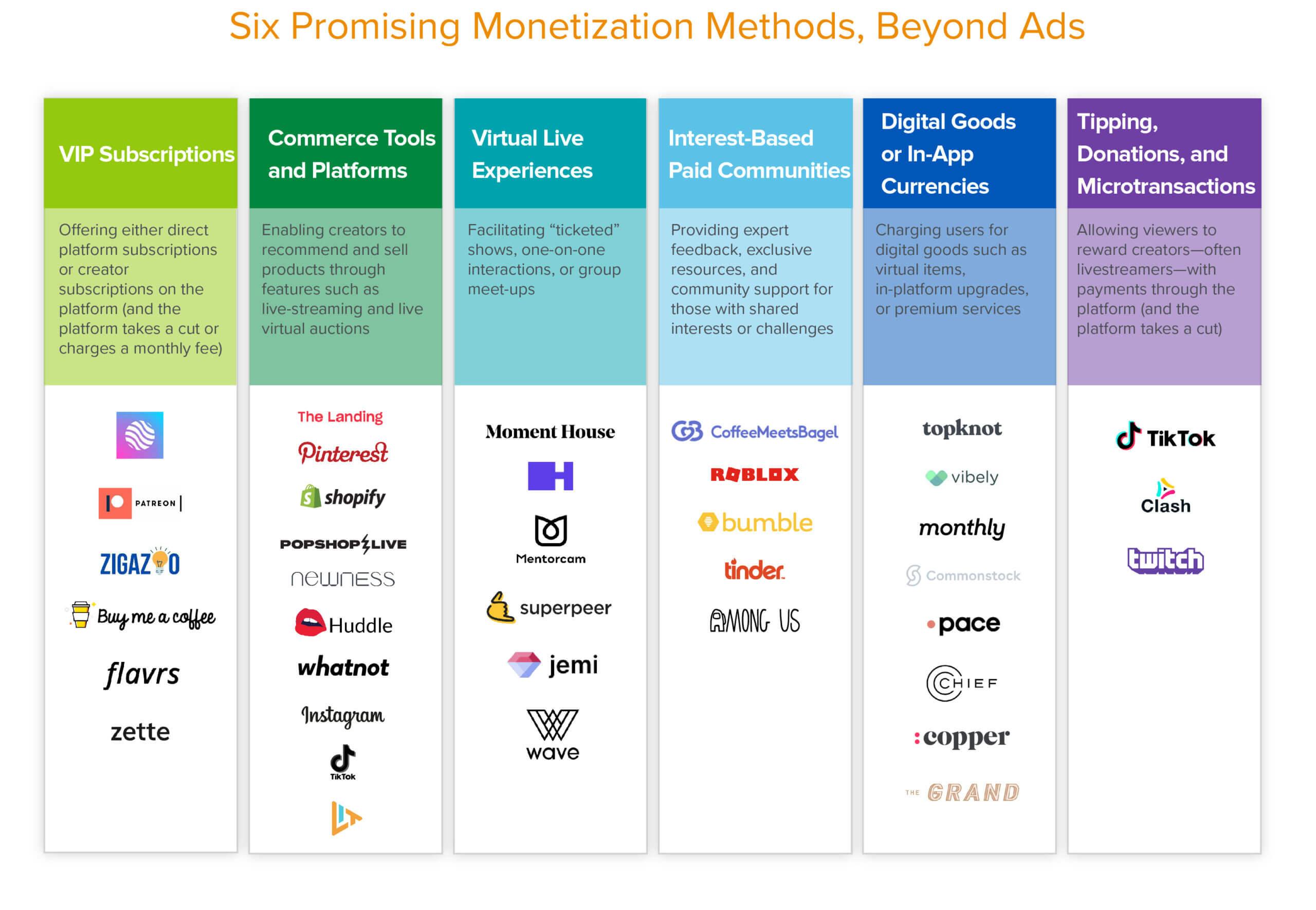
Monetization Models: Navigating the Evolution of Revenue Streams
As the mobile gaming sector continues to expand, developers and publishers are increasingly exploring diverse ways to generate revenue. In-app purchases (IAP) remain one of the top monetization strategies, allowing players to buy virtual goods or bonuses without leaving the app.This model not only enriches the user experience but also fosters a sense of exclusivity and engagement. Other popular revenue streams include:
- Advertisment Integrations: Incorporating ads strategically to boost revenue while maintaining a smooth gameplay experience.
- Subscription Services: Offering players access to premium content or ad-free experiences for a recurring fee, appealing to dedicated gamers.
- Freemium Models: enticing users with free access to the base game while offering additional features or levels for a fee.
In recent years, partnerships and collaborations with brands have emerged as a lucrative avenue for monetization.Games can integrate sponsored content or co-branded experiences that attract wider audiences. As an example, a popular mobile title might collaborate with a blockbuster movie franchise, introducing unique characters or events that resonate with fans of both platforms. This not only provides an additional revenue stream but also enhances the game’s visibility.
Looking ahead to 2025, it’s expected that blockchain technology will play a significant role in defining new monetization landscapes.With NFTs enabling true ownership of in-game assets, players can trade or sell collectibles beyond the confines of the game itself. This innovative model promotes community engagement and investment in the game world,posing exciting possibilities for both revenue generation and user interaction.
To Wrap it Up
As we look towards the year 2025, the mobile gaming market stands poised on the brink of remarkable evolution. Innovations in technology, shifts in consumer behavior, and the relentless pursuit of immersive experiences suggest a landscape that will be both familiar and breathtakingly new. With predictions indicating exponential growth and diversification, the realm of mobile gaming is set to redefine not only how we play but also how we connect and engage with digital narratives.
The trajectory of this industry underscores a broader societal shift toward mobile-frist interactions,reflecting our fast-paced lives and our desire for instant entertainment. As developers and marketers harness the power of data,creativity,and emerging platforms,players can anticipate richer,more personalized experiences that cater to varied tastes and preferences.
Ultimately, the story of mobile gaming is not just about numbers and revenue; it’s about the community it fosters, the stories it tells, and the joy it brings to millions around the globe. As we prepare to step into this vibrant future, one thing remains clear: the game is just getting started.


Leave a Reply